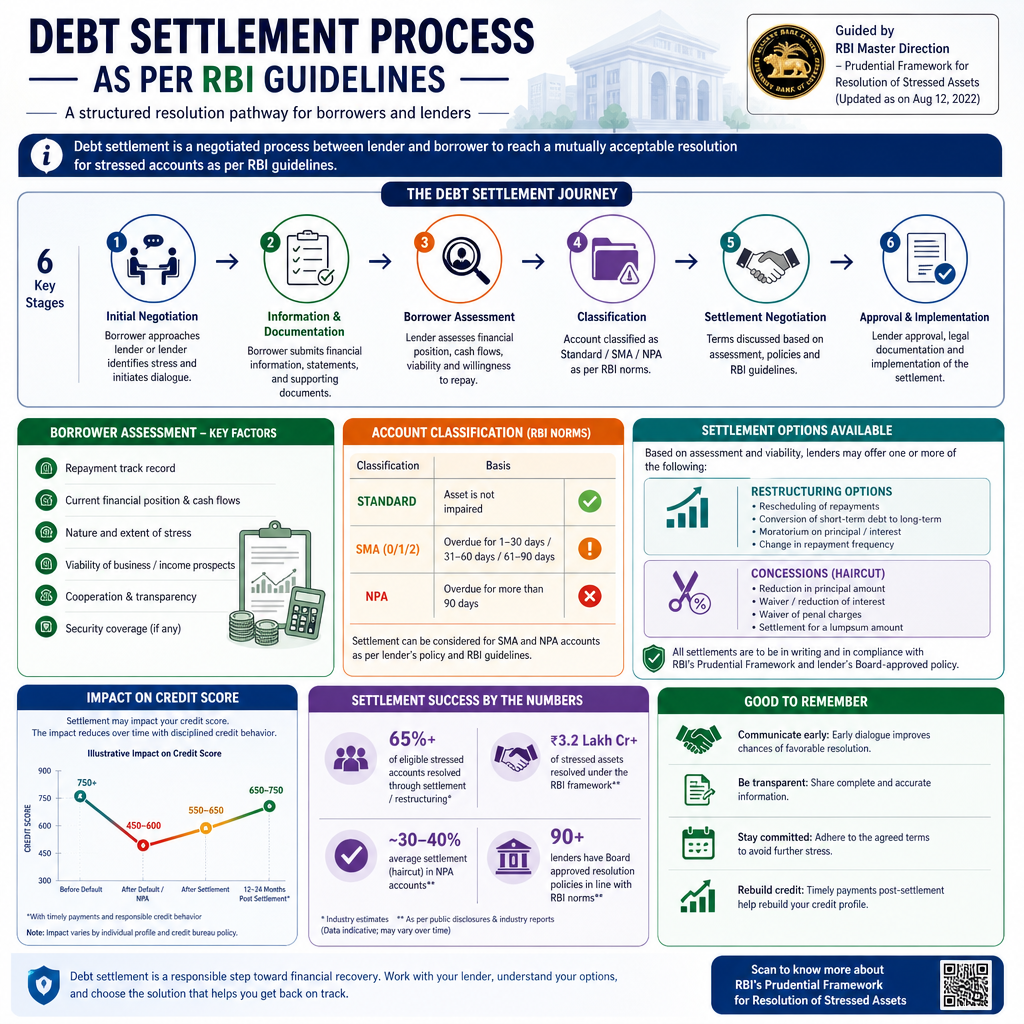

Introduction to Debt Settlement in India
Debt settlement in India is an intricate process influenced by a combination of legal frameworks, financial policies, and regulatory guidelines. The Reserve Bank of India (RBI) plays a pivotal role in setting forth guidelines that govern debt recovery and settlement practices. Understanding these guidelines is crucial for both debtors and creditors, ensuring adherence to lawful and ethical methods of debt resolution.
The concept of debt settlement involves negotiating with creditors to pay a lump sum amount that is typically less than the full outstanding debt. This process is often pursued by individuals or businesses facing financial distress, aiming to mitigate their liabilities. However, navigating the debt settlement landscape requires a solid understanding of the regulatory environment and the rights of debtors, which are protected under various Indian laws.
Legal Framework and Regulatory Guidelines
The RBI guidelines on debt settlement highlight the importance of transparency and fairness. Financial institutions, including banks and Non-Banking Financial Companies (NBFCs), are required to adhere to certain protocols when dealing with defaulting borrowers. These guidelines emphasize the need for banks to assess the borrower's repayment capacity realistically while considering any debt restructuring or settlement process.
For individuals seeking relief from overwhelming debts, services like personal loan settlement and credit card settlement can provide structured pathways to achieve financial stability. These services often involve negotiating terms with creditors directly or through a mediator, aiming to arrive at a mutually agreeable settlement figure.
Challenges and Considerations
While debt settlement can offer significant relief, it is not without challenges. Borrowers must be cautious of potential pitfalls, such as negative impacts on credit scores and additional charges that might arise during the negotiation process. Furthermore, it is not uncommon for defaulters to experience harassment from collection agencies, which can be addressed through anti-harassment services.
Historically, numerous case studies have highlighted the complexities involved in debt settlement in India. From the Debt Recovery Tribunal (DRT) interventions to individual negotiations, each case presents unique challenges and learning points. As such, individuals considering this option must remain informed and seek professional advice where necessary to navigate the legal intricacies effectively.
Understanding RBI Guidelines for Debt Settlement
The Reserve Bank of India (RBI) plays a pivotal role in regulating debt settlement processes, ensuring both creditors' and debtors' rights are protected under well-defined guidelines. These guidelines are crucial for individuals navigating the complexities of loan settlement in India, as they set the framework for fair and transparent practices in the financial sector.
Key Features of RBI Guidelines
Primarily, the RBI mandates banks and financial institutions to offer a structured approach to settle loans. This includes the classification of loans into various categories based on the duration of default, which aids in determining the appropriate settlement strategy. Furthermore, banks are encouraged to provide borrowers with options such as restructuring, one-time settlements, or concessions on interest rates, depending on the borrower's financial situation.
Framework for Negotiations
The guidelines empower borrowers to negotiate terms effectively. Borrowers are afforded the opportunity to propose a settlement plan that suits their repayment capability, which must then be reviewed by the lending institution. In cases where the negotiations reach an impasse, borrowers can seek recourse through Debt Recovery Tribunals (DRTs) for a fair hearing.
Legal Precedents and Case Studies
In recent years, there have been notable precedents where borrowers successfully navigated the RBI's structured settlement process. Historical cases highlight the importance of documenting all communications and agreements meticulously to avoid disputes. Legal outcomes often favor borrowers who can demonstrate adherence to guidelines and a genuine intent to settle debts amicably.
Common Pitfalls
Despite the structured guidelines, borrowers often face pitfalls such as aggressive recovery practices by non-banking financial companies (NBFCs), which may not fully comply with RBI's directives. In such scenarios, borrowers can explore services like anti-harassment solutions to ensure their rights are not infringed upon.
The RBI also emphasizes the need for transparency in the communication of terms and conditions of debt settlements. Borrowers should be wary of hidden charges or terms that may adversely affect their financial standing post-settlement. For individuals dealing with personal loan settlements or credit card settlements, understanding these guidelines is crucial to securing favorable outcomes.
Your Rights in the Debt Settlement Process
In India, debt settlement can be a lifeline for those facing financial difficulties. Understanding your rights during this process is crucial to ensuring a fair and transparent negotiation. As borrowers, it's essential to be aware of protections and guidelines established by the Reserve Bank of India (RBI) alongside the legal framework governing debt settlement.
Right to Information and Transparency
The RBI emphasizes the need for transparency in the settlement process. Lenders must provide clear information regarding the terms and conditions of any settlement proposal. You have the right to request detailed statements and the basis for the offered settlement amount. For more information on understanding loan settlements, visit our detailed loan settlement guide.
Right to Fair Treatment
Fair treatment is a cornerstone of the RBI guidelines. Financial institutions are prohibited from using coercive recovery methods. If you're experiencing harassment, it's important to know that you can seek protection. Our anti-harassment services can offer support and guidance in such situations.
Right to Negotiate
As a borrower, you have the right to negotiate the terms of the settlement. This includes the principal amount, interest rates, and any additional charges. It's advisable to approach the negotiation with a clear understanding of your financial position and legal rights.
Rights Under Legal Recourse
Borrowers have the right to seek legal recourse in case of unfair practices. The Debt Recovery Tribunal (DRT) is a legal body where disputes related to debt settlements can be addressed. Understanding the role of the DRT can offer significant advantages during negotiations.
Right to Privacy
Privacy is a fundamental right in the debt settlement process. Lenders must protect your personal and financial information and cannot disclose details to unauthorized parties. This right ensures that your financial matters remain confidential throughout the settlement process.
For borrowers dealing with personal or credit card debt, specialized services like our personal loan settlement and credit card settlement can provide tailored assistance.
Steps to Initiate Debt Settlement in India
Initiating debt settlement in India requires a strategic approach, guided by regulations laid down by the Reserve Bank of India (RBI). Here, we provide a comprehensive breakdown of the steps involved in beginning the debt settlement process.
1. Assess Your Financial Situation
Begin by evaluating your total debt, income, and expenses. Understanding your financial situation is crucial in determining how much you can realistically offer for settlement. It is advisable to review all outstanding debts, including loans, credit cards, and any liabilities to Non-Banking Financial Companies (NBFCs). For more detailed assistance, you may consider the Loan Settlement Services provided by CredSettle.
2. Contact Your Creditor
Once you've assessed your situation, the next step is to directly contact your creditors. Whether it's a bank or an NBFC, initiating the conversation helps in establishing a willingness to settle. It’s beneficial to understand the guidelines set by the RBI, which mandate respectful and fair debt recovery practices.
3. Proposal Submission
Submit a written settlement proposal to your creditors. The proposal should clearly state your repayment capacity and the amount you are willing to settle for. Legal precedents suggest that a well-drafted proposal significantly increases the chances of acceptance. CredSettle offers Personal Loan Settlement services that can assist in drafting effective proposals.
4. Negotiation
Negotiation is a critical phase where both parties aim to reach a mutually acceptable agreement. It is important to remain patient and open to compromise. Professional negotiators or legal advisors can be invaluable in this process, ensuring that the negotiation adheres to RBI norms.
5. Legal Formalization
Once an agreement is reached, it is essential to have the settlement terms documented legally. This ensures that the creditor cannot pursue any future claims on the settled amount. Consider utilizing services that focus on Credit Card Settlement for specialized assistance.
6. Prevention of Harassment
Throughout the settlement process, be aware of your rights to prevent harassment. The RBI guidelines protect borrowers from unfair practices. If any undue pressure is exerted, services like Anti-Harassment can offer essential support.
Following these steps diligently can help streamline your debt settlement process, ensuring compliance with legal standards and safeguarding your rights as a debtor in India.
Key Strategies for Successful Debt Settlement
Debt settlement in India involves negotiation and understanding of legal frameworks, especially the RBI guidelines that govern these processes. Successful debt settlement requires a strategic approach to ensure compliance with legal standards and protection of debtor rights.
Understand Your Loan Type
Each debt type has unique settlement processes. For example, a personal loan settlement often involves direct negotiation with banks, while credit card settlements may require different strategies due to revolving credit terms. Understanding the nuances of your loan agreement is crucial for a tailored settlement strategy.
Engage a Professional Negotiator
Professional debt negotiators can leverage their expertise to ensure better settlement terms. They are familiar with the RBI guidelines and use this knowledge to navigate the complexities of debt settlements. Additionally, professional services like anti-harassment measures can be invaluable in dealing with creditor pressure.