Understanding Recovery Agents and Their Role
agents are people or entities authorized by banks and banks to recover loans from clients. Their primary role is to make sure that the bank's interests are safeguarded while recovering dues. However. Their actions must align with RBI rules established by the Reserve Bank of India (RBI) to prevent threats and intimidation.
As per the RBI's guidelines. Agents must possess a valid badge and operate within ethical boundaries. They are prohibited from using abusive language. Threatening behavior. Or any form of threats. Despite these regulations. Many clients often face undue pressure and intimidation tactics. To address such grievances. Clients can seek help from services like anti-threats solutions given by platforms like CredSettle.
Historically. The role of agents has been contentious due to instances of misconduct. Legal past cases in India have reinforced the necessity for banks to oversee the conduct of their agents. In cases where agents overstep their boundaries. Clients can approach the Debt claims Tribunal (DRT) for relief.
For clients struggling with payment. Exploring options like loan closure or personal loan closure can be helpful. These services offer structured approaches to resolving debts without the need for aggressive claims efforts.
RBI Regulations on Loan Recovery Practices
The Reserve Bank of India (RBI) has established stringent regulations to govern the conduct of agents during loan claims processes. These regulations are designed to protect clients from threats and make sure fair practices are maintained. According to RBI guidelines. Banks and banks must adhere to a code of conduct that emphasizes clarity. Respect. Also. Integrity in dealings with clients.
agents are required to follow a specific protocol when engaging with clients. This includes giving proper identification. Maintaining a expert demeanor. Also. Respecting the privacy of the clients. Also. Agents are not allowed to use abusive language. Resort to physical intimidation. Or contact clients at odd hours. Usually defined as before 7:00 AM and after 7:00 PM.
In instances of misconduct by agents. Clients have the right to file a complaint with the bank involved or escalate the issue to the Banking Ombudsman. The RBI mandates that banks must address grievances promptly and take corrective measures. For those facing undue threats. Exploring services like CredSettle's Anti-threats Services can give additional support and guidance.
Also. Legal recourse is available through the Debt claims Tribunal (DRT) for serious grievances. knowing these regulations can empower clients to manage their interactions with agents well and seek appropriate remedies when necessary.
Why Recovery Agents Contact You: Common Reasons
Agents often contact clients due to several common reasons. Primarily linked to unpaid debts. When a loan or credit card account becomes overdue. Lenders attempt to recover the dues through various means. Here are some key reasons why agents may reach out:
Loan Default: If you have failed to make payments on your loan. Whether personal or from an NBFC. Agents may step in. For more information on settling personal loans. Visit CredSettle's Personal Loan closure page.
Credit Card Dues: Overdue credit card payments can also trigger contact from agents. See how you can manage this on the Credit Card closure page.
Non-Banking money firms (NBFC) Loans: NBFCs. This offer loans without stringent banking regulations. Might employ agents for overdue payments. Learn more on NBFC Loan closure.
RBI Guidelines: While the Reserve Bank of India (RBI) regulates claims practices. Some agents may cross ethical boundaries. CredSettle gives resources on how to combat threats on their Anti-threats services page.
knowing why agents contact you is crucial to addressing the issue promptly. Legal past cases indicate that while claims is legitimate. Unethical practices are not condoned.
Comparison of Allowed vs Unallowed Recovery Practices
knowing the boundary between allowed and unallowed claims practices is crucial for clients dealing with agents. The Reserve Bank of India (RBI) has established guidelines to protect consumers from unlawful claims practices. Below is a detailed comparison to illuminate the distinctions:
Criteria | Allowed Practices | Unallowed Practices |
|---|---|---|
talks | Agents must contact clients at reasonable hours (7 AM to 7 PM) and follow a polite. Respectful manner. | threats through repeated calls or using abusive language is strictly prohibited. |
Visits | Home or office visits are allowed with prior consent of the clients. Maintaining proper identification and purpose. | Unannounced or forceful entry into a clients's premises is unlawful. |
proof | Proper proof must be given about the debt. This includes a written notice of amount due. | Demanding payment without giving proof of debt is illegal. |
Legal Action | legal cases must be pursued through appropriate channels such as Debt claims Tribunals (DRTs). | Threats of legal action without intent or official are not permissible. |
For those facing threats. Guidance services such as CredSettle's Anti-threats can be instrumental in making sure legal safety and guidance.
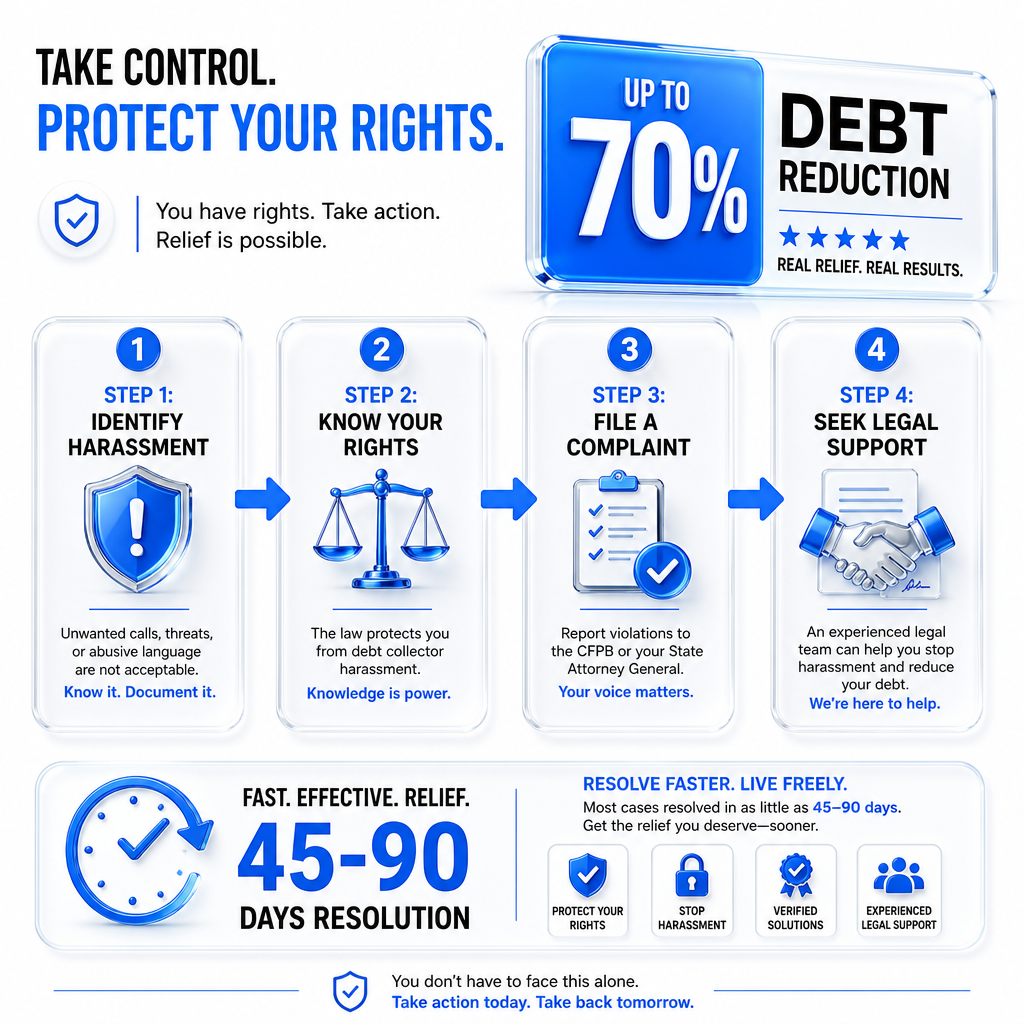
Steps to Handle Harassment from Recovery Agents
Dealing with threats from agents can be distressing. However. Knowing your rights and the appropriate steps can empower you. Under the RBI guidelines. Agents are prohibited from using abusive language or threats. Here’s how you can handle such situations:
papers Everything: Keep a detailed record of all talks. This includes dates, times. Also. The nature of interactions with agents. This proof can be crucial if you need to file a complaint.
Know Your Rights: agents must follow the RBI’s Fair Practices Code. They cannot visit your home at odd hours or use coercive tactics. Familiarize yourself with these guidelines to assert your rights.
File a Complaint: If threats persists. File a complaint with the bank or bank that hired the agents. You can also approach the Banking Ombudsman for redressal.
Seek Legal help: If the situation escalates. Consider legal action. guidance with legal experts or services like CredSettle's Anti-threats Services can give you with tailored advice and legal help.
Explore closure Options: settling a closure can be a viable way to resolve debt issues. Services like CredSettle Loan closure offer help in settling terms with lenders.
These steps can help you manage and cut threats while making sure compliance with legal standards.