Why Bank Recovery Agents Harass for Loan Recovery

Understanding the tactics and legalities of bank loan recovery processes

AJ

Ashish Jhangra

Reviewed by CredSettle Team

21-10-2026
7 min read
Why Bank Recovery Agents Harass for Loan Recovery
0.0/5
Client Rating
₹0Cr+
Debt Settled
0+
Happy Clients

Share this insight

Help someone else stay informed about debt relief.

KEY TAKEAWAYS

Bank recovery agents operate under legal constraints.

Harassment often occurs due to aggressive target goals.

Understanding your rights is crucial in debt situations.

Legal aid can be sought against unlawful harassment.

Knowing recovery methods helps in negotiation.

Understanding Bank Recovery Processes

Bank claims processes in India are governed by a mix of legal frameworks and institutional practices. Aimed at minimizing non-performing assets (NPAs). When a clients defaults on a loan. Banks often employ agents to speed up the calls process. However. This can lead to aggressive tactics that border on threats. knowing the case backdrop is crucial.

The Securitisation and Reconstruction of money Assets and claims of Security rates Act (SARFAESI) and the claims of Debts and Bankruptcy Act (RDBA) empower banks to seize and sell assets of defaulters. However. These legal processes are often lengthy and complicated. Prompting banks to adopt quicker. Albeit contentious. Claims methods.

Agents. Under the Reserve Bank of India (RBI) guidelines. Are expected to operate within a legal framework that makes sure clients dignity. Despite this. Incidents of threats persist. Often due to lack of oversight or training. The Debt claims Tribunal (DRT) offers a legal recourse for clients facing undue threats.

clients can seek help through platforms like CredSettle's anti-threats services. This give legal support and settle on behalf of the clients with the bank. This helps in cutting aggressive claims tactics while maintaining compliance with the law.

Knowing these processes enables clients to better handle their rights and options. Likely opting for personal loan closures or other resolution pathways.

In India. The legal framework governing loan claims is primarily underpinned by the claims of Debts and Bankruptcy Act. 1993 and the Securitisation and Reconstruction of money Assets and claims of Security rates Act. 2002 (SARFAESI Act). These statutes empower banks and banks to recover non-performing assets (NPAs) without court intervention. Using measures like asset seizure and public auctions.

The SARFAESI Act allows lenders to enforce security interests and manage the claims process efficiently. However. Agents. Often hired to speed up this process. Have been known to overstep their legal boundaries. This leads to threats cases. To counteract such actions. The Reserve Bank of India (RBI) has issued guidelines mandating that banks make sure agents comply with ethical claims practices.

Legal past cases have highlighted the importance of maintaining clients dignity during claims. For instance. The Supreme Court in the case of ICICI Bank Ltd. v. Prakash Kaur. Emphasized that coercive claims practices violate constitutional rights. So. Clients facing threats can seek redressal through the Debt claims Tribunal (DRT) or by filing complaints with the RBI.

In situations where clients face undue pressure. Services like anti-threats services can give much-needed support and legal guidance to handle these challenges well.

Why Bank Recovery Agents Resort to Harassment

Bank agents sometimes resort to threats due to the intense pressure to meet claims targets and the high-stakes environment of debt claims. In India. Here. The Reserve Bank of India (RBI) regulates banking practices. The pressure on banks to manage non-performing assets (NPAs) has led to aggressive claims tactics. Unfortunately. These methods can sometimes cross ethical and legal boundaries. Causing distress to clients.

Several legal cases have highlighted the issue of threats by agents. For instance. The landmark judgment in the case of ICICI Bank vs. Shanti Devi Sharma emphasized the need for ethical conduct. As the court ruled against the use of coercive tactics. Despite such past cases. The lack of stringent claims means violations persist.

agents are often third-party entities engaged by banks. Also. They operate on commission-based incentives. This money motivation can lead to aggressive claims practices. clients facing threats can seek legal remedies under the Consumer safety Act and approach forums such as the Debt claims Tribunal (DRT) for relief. Also. Engaging services like CredSettle's Anti-threats service can help manage undue pressure from agents.

knowing the legal framework and knowing one's rights is crucial. For more information on debt claims and closure options. Explore the loan closure services offered by CredSettle.
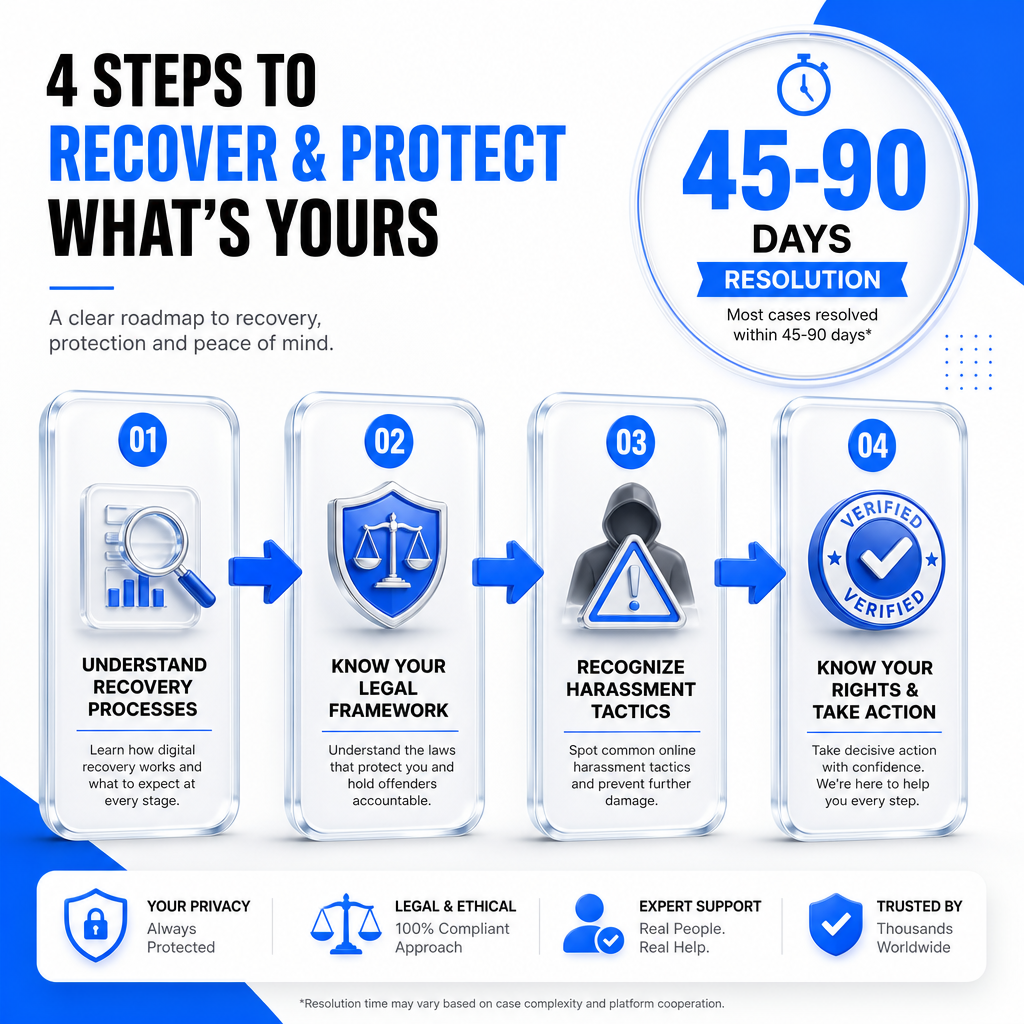

INFOGRAPHIC

Infographic summary

Anti-Harassment & Legal Protection Assessment

Answer 2 simple questions to get immediate legal protection against recovery harassment.

Step 1 of 3Question 1
1. What recovery agent issue are you currently experiencing?

Comparison of Bank and Private Recovery Methods

When it comes to recovering loans. Both banks and private agents employ distinct methods influenced by legal frameworks and operational practices. knowing these differences is crucial for clients facing claims actions and seeking to make informed decisions.

Parameter

Bank claims Methods

Private claims Methods

RBI official

Regulated by the Reserve Bank of India (RBI). Banks must comply with the SARFAESI Act and Debt claims Tribunal (DRT) guidelines.

Often less regulated. Operate under private contracts and are not directly supervised by RBI.

Approach

Formal and structured. Banks usually resort to legal notices and actions.

Informal and aggressive. Private agents may resort to direct contact and can sometimes employ threats tactics.

Cost

Generally lower as banks recover costs through rates rates and fees.

Higher costs due to commission-based claims. Often passed onto the clients.

Effectiveness

Can be slow due to bureaucratic processes. However, legally sound.

Quicker but may lead to legal issues due to aggressive tactics.

clients facing threats from agents can explore anti-threats services offered by platforms like CredSettle. This advocate for ethical claims practices.

Your Rights Against Harassment by Recovery Agents

In India. Clients are protected under various laws and regulations from threats by bank agents. The Reserve Bank of India (RBI) has laid down explicit guidelines to make sure fair practices in loan claims processes. agents must adhere to a code of conduct. This prohibits aggressive tactics and makes sure respectful treatment of clients.

clients should be aware of their rights: agents can only contact them between 7 AM to 7 PM. Any deviation from this time frame is considered threats. Also. Agents are prohibited from using abusive language. Threats. Or physical force.

Legal past cases. For example. The Supreme Court's ruling in the case of ICICI Bank Ltd. vs. Shanti Devi Sharma. Emphasize that banks are liable for the actions of their agents. If threats occurs. Clients can lodge complaints with the bank's grievance cell or approach the Banking Ombudsman.

In severe cases. Clients may consider legal action under the Consumer safety Act for compensation. For those dealing with persistent threats. Services like CredSettle's Anti-threats Service give expert help in managing these situations. Also. Knowing loan closure options. For example, loan closure and personal loan closure. Can help clients cut money distress legally.

Steps to Take If Harassed by Recovery Agents

Facing threats from bank agents can be distressing. However. There are several legal steps you can take to protect yourself. First. Know that the Reserve Bank of India (RBI) has set clear guidelines outlining acceptable claims practices. If an agent violates these guidelines. You can file a complaint with the bank and escalate it to the Banking Ombudsman if necessary.

Papers all instances of threats including call recordings. Messages. Also, visits. This proof is crucial if you decide to pursue legal action. Consider guidance a legal expert or a service specializing in anti-threats for personalized advice.

If the threats continues. File a police complaint under Section 506 of the Indian Penal Code. This deals with criminal intimidation. Also. You can approach the Debt claims Tribunal (DRT) to halt illegal claims practices.

It's also wise to explore debt closure options. For example, loan closure. To proactively manage your debt and likely reduce threats. CredSettle offers complete services for personal loan closure and credit card closure. This might ease the pressure from agents.

Sources & References

POPULAR SEARCHES

FAQs: Why Bank Recovery Agents Harass for Loan Recovery

A One-Time Settlement (OTS) is a formal deal with your bank. You pay a smaller lump sum to clear your loan. CredSettle speaks with your bank to get large waivers under RBI rules.

Yes, debt settlement is legal in India. CredSettle follows RBI rules to settle bank loans. Our legal team protects your rights at every step.

CredSettle gives you full legal support to stop recovery agent harassment. We send legal notices to banks. We file formal complaints with RBI and police if agents break rules.

A settled loan shows as Settled on your CIBIL report. This drops your credit score for a short time. However, it clears unpaid dues and stops legal risk. You can rebuild your score once you are debt-free.

Yes, you can settle credit card debt. We speak with card issuers to lower unpaid balances. Our clients save up to 50% on total dues.

Most loan settlements take 3 to 6 months. Timelines depend on your bank and dues. We work fast to get your debt closed.

We charge a clear fee only when we secure your settlement. We do not charge hidden fees. Our terms are shared upfront before you start.

If a bank says no at first, our legal team steps in. We show proof of your hardship. We use RBI norms to bring the bank back to talks.

We help with unsecured loans like personal loans and credit cards. For secured loans, our legal team can guide you on loan restructuring.

Yes, your data is safe with us. We use encrypted systems to store files. We never share your data without your consent.

CredSettle Logo

CredSettle is India's trusted loan management platform. Founded to help people break free from the cycle of debt, CredSettle has counselled countless individuals struggling with personal loans, credit cards, and app loans. We ensure you get ethical, RBI-compliant resolution strategies. CredSettle charges fees only on successful settlement, not upfront. CredSettle does not handle secured loans (home loans, car loans, gold loans).

Media Mentions

Media 1
Media 2
Media 3
Media 4
Media 1
Media 2
Media 3
Media 4
Media 1
Media 2
Media 3
Media 4
Media 1
Media 2
Media 3
Media 4
Media 1
Media 2
Media 3
Media 4
Media 1
Media 2
Media 3
Media 4
Media 1
Media 2
Media 3
Media 4
Media 1
Media 2
Media 3
Media 4
Chat with us on WhatsApp
Chat with CredSettle on WhatsApp